You Are Responsible For An Built-In Range Oven Budget? 12 Tips On How To Spend Your Money
Understanding Built-in Range Ovens: A Comprehensive Guide
Built-in range ovens have actually ended up being a staple in contemporary kitchens, offering a smooth blend of functionality and design. These appliances not only improve the aesthetic appeal of any kitchen space but likewise augment cooking effectiveness. This post will check out the different aspects of built-in range ovens, including their features, types, benefits, setup factors to consider, and maintenance tips.
What is a Built-in Range Oven?
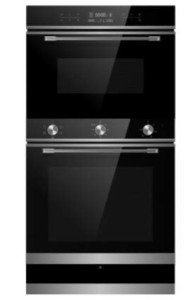
A built-in range oven is a device that combines a stove and an oven into a single unit developed to be integrated into the kitchen cabinets. Unlike standalone ovens, built-in ranges are produced to offer a more customized appearance and often included a variety of features that deal with both amateur cooks and experienced chefs. These systems can be powered by gas or electrical energy, with each type using different advantages.
Features of Built-in Range Ovens
Built-in range ovens feature a wide variety of features that contribute to their popularity. A few of these consist of:
- Self-Cleaning Options: Many built-in ovens come geared up with self-cleaning cycles, making upkeep easier.
- Smart Technology: Features like Wi-Fi connectivity and app-controlled cooking programs enable users to handle their ovens from their smartphones.
- Convection Cooking: Many built-in ovens have convection fans that distribute hot air for consistent and even baking.
- Multiple Cooking Modes: Options such as steam cooking, broiling, and traditional baking supply versatility in cooking approaches.
Kinds Of Built-in Range Ovens
When it pertains to built-in range ovens, there are two primary types: gas and electric. Below is a comparison of their essential features:
Feature
Gas Range Oven
Electric Range Oven
Heating Method
Flames produced by burning gas
Electric heating components
Temperature Control
Immediate heat control
Constant and stable heat
Setup
Requires gas line
Requires electrical outlet
Maintenance
Can be more challenging to clean
Normally easier to clean
Cooktop Performance
High heat for fast searing
Even heating for baking
Benefits of Built-in Range Ovens
Built-in range ovens use numerous advantages, making them a sought-after choice for numerous property owners. These advantages include:
- Space Efficiency: Built-in designs maximize counter area, making kitchen layouts more efficient.
- Aesthetic Appeal: They offer a customized, expert want to the kitchen, incorporating flawlessly with cabinets and counter tops.
- Increased Property Value: High-quality built-in appliances can boost the worth of a home.
- Boosted Cooking Experience: Features such as convection cooking and smart innovation make cooking more satisfying and effective.
- Energy Efficiency: Modern built-in ovens typically utilize energy-saving technologies which decrease power consumption.
Setup Considerations
Proper setup is essential for built-in range ovens. Here are some important factors to think about:
- Space Requirements: Measure the available area in the kitchen to guarantee that the built-in oven fits flawlessly within cabinetry.
- Electrical/Gas Connections: Ensure that the appropriate connections are offered. For gas ovens, a gas line need to be accessible; for electric ovens, a devoted circuit is required.
- Ventilation: Adequate ventilation is important, especially for gas designs, to avoid the accumulation of hazardous gases.
- Expert Installation: It is advisable to have the oven installed by a professional to adhere to security standards and manufacturer standards.
Upkeep Tips
Maintaining a built-in range oven is important for its longevity and performance. Here are some tips to keep your device in top condition:
- Regular Cleaning: Clean spills and stains right away to avoid them from becoming tough-to-remove residues.
- Self-Clean Cycle: Utilize the self-clean function regularly to preserve the interior.
- Examine Seals: Inspect door seals to guarantee they are airtight and change them if needed.
- Expert Servicing: Schedule routine upkeep talk to qualified technicians to ensure ideal efficiency.
Frequently asked questions
What sizes do built-in range ovens been available in?
Built-in range ovens generally can be found in standard widths of 24, 30, and 36 inches. It is essential to measure your kitchen area to pick the appropriate size.
Are built-in range ovens more pricey than freestanding designs?
Yes, built-in range ovens tend to be more expensive due to their custom style and setup requirements. However, their benefits typically justify the investment.
Can I install a built-in range oven myself?
While it is possible for skilled DIY-ers, it is typically suggested to employ an expert for appropriate setup and safety compliance.
How do I choose in between a gas and electric built-in range oven?
Selecting in between gas and electric largely depends upon personal cooking preferences and the existing infrastructure of your kitchen. Gas cooktops offer instant heat control, while electric cooktops supply even heating.
Are built-in range ovens energy-efficient?
Lots of contemporary built-in range ovens are created with energy-saving functions, making them effective options for the environmentally mindful customer.
Built-in range ovens provide a captivating blend of functionality, convenience, and style. Their capability to elegantly incorporate within kitchen design makes them an enticing option for homeowners aiming to improve their cooking experience. By understanding web , benefits, and maintenance requirements, consumers can make informed decisions when buying this essential kitchen device. Preparation for appropriate installation and regular upkeep will guarantee that your built-in range oven serves you well for several years to come.